Auto glass is a fundamental issue of any motor vehicle, offering now not in basic terms visibility however also security. When it comes to changing your windshield or other auto glass, you would possibly have heard phrases like "tempered" and "laminated." But what do these terms imply, and the way do they fluctuate? In this complete publication, we'll delve deep into the nuances of tempered and laminated vehicle glass, exploring their production strategies, applications, benefits, risks, and all Concord Auto Glass the pieces in between.
Understanding Auto Glass
Before diving into the specifics of tempered and laminated glass, it be predominant to realize what auto glass is. Auto glass refers back to the more than a few glasses utilized in motors, specially windshields but additionally edge windows and rear home windows.
Types of Auto Glass
Windshield Glass Side Window Glass Rear Window Glass SunroofsEach style has pleasing properties tailor-made for its role.
What Is Tempered Glass?
Tempered glass is a sort of safeguard glass that’s been handled with heat or chemical compounds to enlarge its electricity in comparison to time-honored glass. The method comprises heating the glass to over six hundred levels Celsius after which cooling it unexpectedly.
Manufacturing Process of Tempered Glass
Heating: The uncooked glass is heated to excessive temperatures. Rapid Cooling: Once heated, the glass is cooled effortlessly. Strengthening: This job creates compressive stresses on the floor.Benefits of Tempered Glass
- Safety: When shattered, it breaks into small blunt items other than sharp shards. Durability: More proof against impacts than conventional glass. Thermal Resistance: Can stand up to high temperature adjustments.
Drawbacks of Tempered Glass
- Cost: Typically more pricey than widely used glass. Limited Repairs: Once cracked or broken, it recurrently demands replacement.
What Is Laminated Glass?
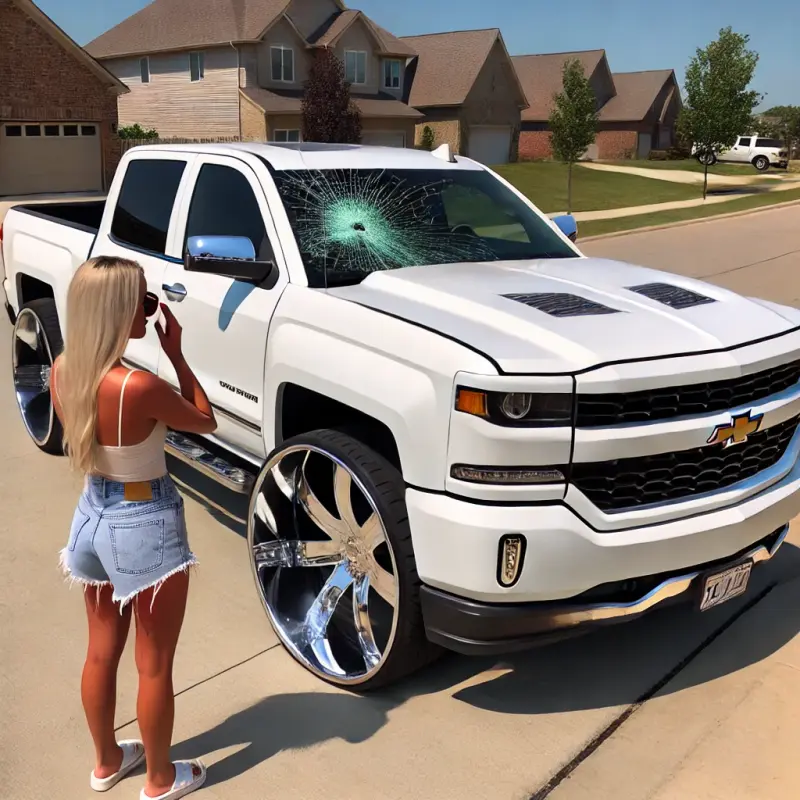
Laminated glass incorporates two or greater layers of glass with an interlayer (recurrently produced from polyvinyl butyral) sandwiched between them. This creation supports dangle the layers at the same time even when broken.

Manufacturing Process of Laminated Glass
Layering: Two sheets of glass are layered with a polymer interlayer. Pressing: The layers are pressed jointly less than warmness and rigidity. Cooling: Finally, they are cooled down slowly to make certain balance.Benefits of Laminated Glass
- Impact Resistance: Holds at the same time even if shattered. UV Protection: Reduces UV radiation getting into the automobile. Sound Insulation: Provides more suitable soundproofing in comparison to tempered glass.
Drawbacks of Laminated Glass
- Weight: Heavier than tempered options. Cost Factor: Generally greater highly-priced using tricky manufacturing.
Comparative Analysis: Tempered vs Laminated Auto Glass
| Feature | Tempered Glass | Laminated Glass | |---------|----------------|------------------| | Safety | Breaks into small items | Remains intact whilst shattered | | Cost | Generally less dear | More high priced owing to construction | | Weight | Lighter | Heavier | | Applications | Windshields & facet home windows | Windshields & sunroofs |
What Makes Tempered and Laminated Auto Glass Different?
The key change lies in their development and security good points. While tempered glass delivers electricity using warm cure and shatters into riskless items upon affect, laminated glass binds layers mutually for more desirable sturdiness opposed to penetration while asserting visibility even if broken.
Why Choose One Over the Other?
Choosing between tempered and laminated automobile glass in the main comes right down to private desire consisting of definite necessities referring to defense and price-effectiveness.
Factors Influencing Your Choice
Vehicle Type Usage Patterns Safety Concerns Budget ConstraintsFAQs About Auto Glass Replacement
1. What deserve to I don't forget all over windshield replacement?
When exchanging your windshield, agree with aspects such as security scores for various kinds of glasses, deploy first-rate, warranty options, and regional policies about automobile glass forms.
2. How do I recognise if I desire a windshield replacement?
If you observe cracks longer than 3 inches or chips right now for your line of sight, that's greatest to consult a reputable for a capability replacement.
three. Is it you could to repair cracked laminated vehicle glass?
Yes! Depending on the scale and kind of damage—pretty if it can be now not for your direct line of sight—you should be in a position to repair it in place of exchanging it solely.
four. How long does windshield replacement take?
Most windshield replacements should be would becould very well be finished within one hour; despite the fact, curing time for adhesives deserve to be thought of in the past riding away later on.
five. Can I use aftermarket auto glass?
Yes! Aftermarket car glasses will be extra good value concepts; however, make sure they meet safety concepts comparable with OEM areas.
6. Do I want coverage insurance policy for automobile-glass upkeep/alternative?
While now not crucial by regulation in many puts, having insurance plan can tremendously lower out-of-pocket prices related to upkeep or replacements.
Conclusion
Understanding what makes tempered and laminated vehicle glass specific is necessary for any car owner thinking about windshield replacement or different kinds of automobile-glass replacement products and services. Both types have their benefits and disadvantages that cause them to suitable for one of a kind situations elegant to your demands—be it electricity from impacts or toughness towards shattering altogether!
In precis:
- Tempered Glass is all approximately strength simply by thermal treatment options but shatters accurately. Laminated Glass focuses on preserving layers at the same time post-impression but can be heavier and pricier.
Ultimately, regardless of whether you're selecting a trouble-free repair or a finished car-glass alternative job—understanding your thoughts allows you improved peace-of-intellect at the back of the wheel!